
About this webinar
Housing conditions aren’t just about comfort—they are one of the most powerful and often overlooked drivers of disease in shelter animals. In 2024, the Regina Humane Society transitioned from an aging facility to a purpose-built shelter designed to improve animal health and welfare and enhance operational efficiency. The results were both immediate and measurable: a 70%+ reduction in feline upper respiratory infections and a 75% decrease in canine diarrhea incidence. In this 60-minute webinar, we’ll explore the design features behind these outcomes—including HVAC systems, waste handling, acoustic separation, housing layout, lighting, surface materials, and isolation space design—and how they directly influence disease risk and stress. Whether you’re planning a new build or working within the constraints of an existing space, you’ll leave with practical, evidence-informed strategies you can apply immediately.
What you'll learn
Identify facility design features that reduce infectious disease risk and stress in shelter animals
Recognize how workflow, operational processes, and physical design interact to drive health outcomes
Prioritize and outline one realistic retrofit or process improvement for their own facility—with a predicted measurable impact
Gain practical, evidence-informed strategies you can apply immediately.
Meet the speaker
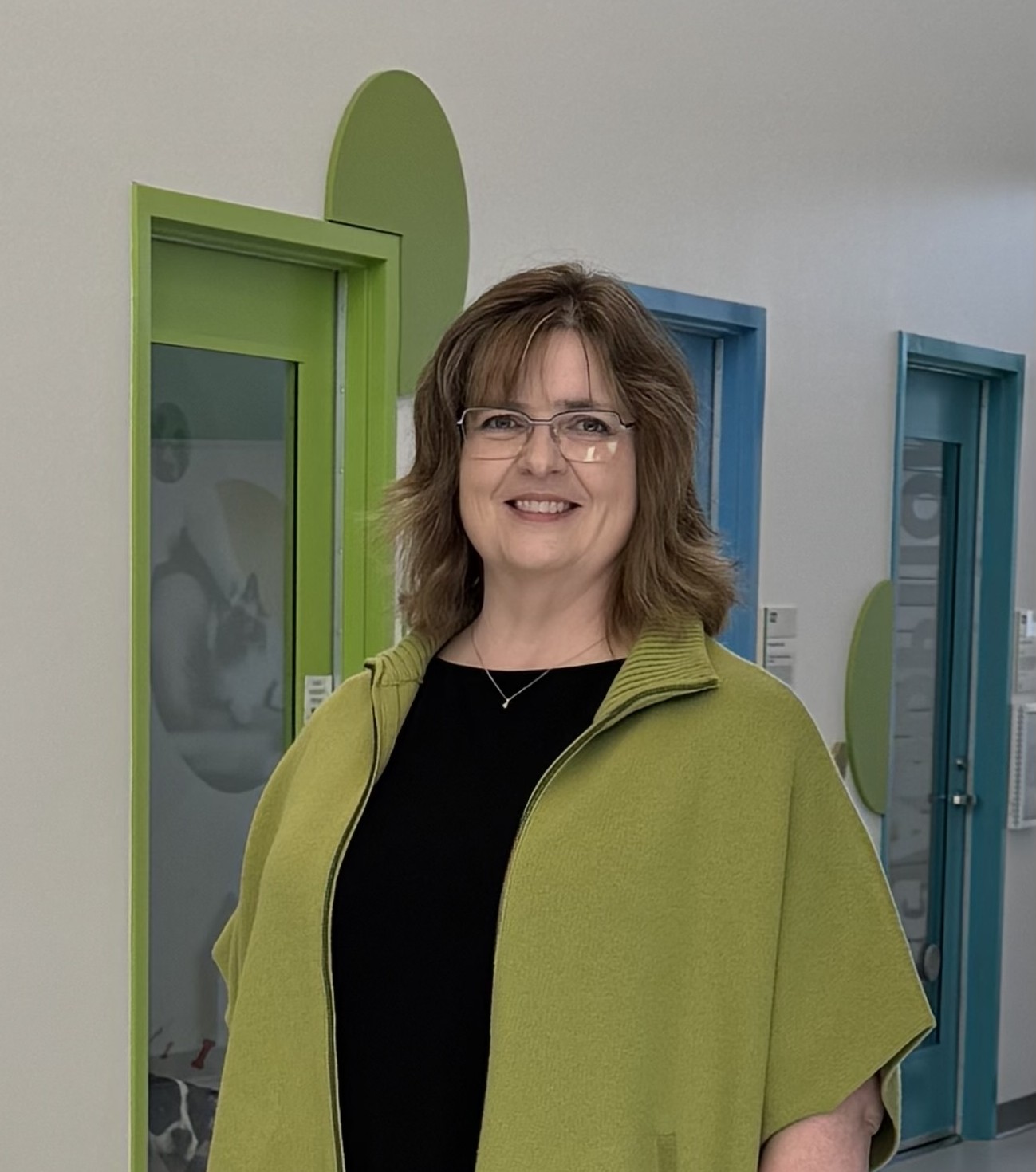
Dr. Katherine Ball, DVM, PhD
Director of Veterinary Care, Regina Humane Society
Dr. Katherine Ball, DVM, PhD, is the Director of Veterinary Care at Regina Humane Society, leading medical and kennel operations. With a background in clinical pharmacology and evidence‑based practice, she helped design the new Animal Community Centre, driving major gains in health, workflow, and antimicrobial stewardship.
Who attends?
This webinar is for anyone who influences how a shelter functions—either through strategic decisions or daily operations. It bridges leadership and frontline management by showing how design + operations produce measurable, real‑world impact. Ideal for executive directors, CEOs, directors of operations, board members involved in capital decisions, municipal partners overseeing shelter infrastructure, shelter operations managers, kennel supervisors, veterinary staff, animal care team leads, staff responsible for workflow, sanitation, or housing decisions
The webinar recording will be shared with those who register.